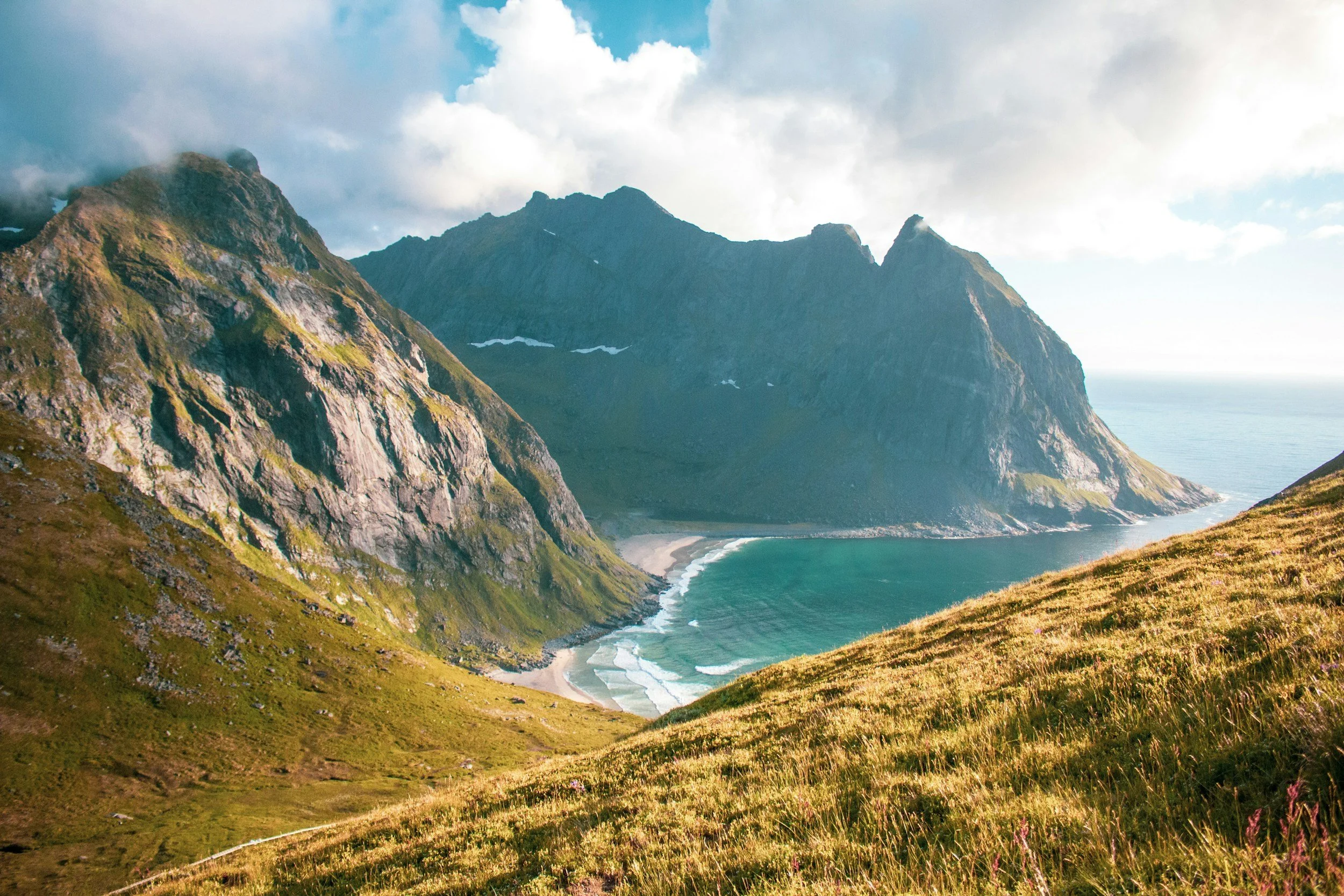
Lofoten Travel Guide
Stories, Tips & Things to Do
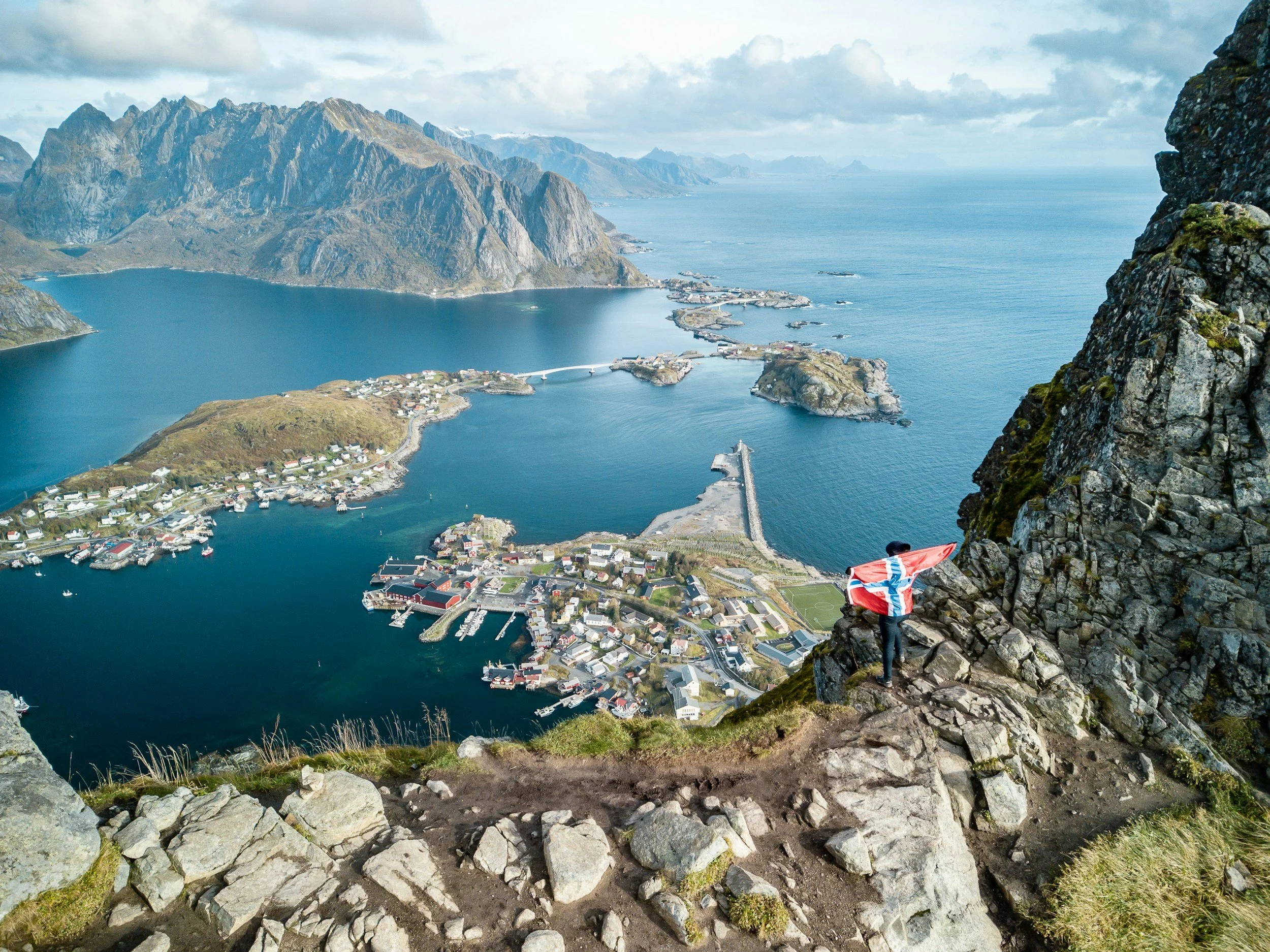
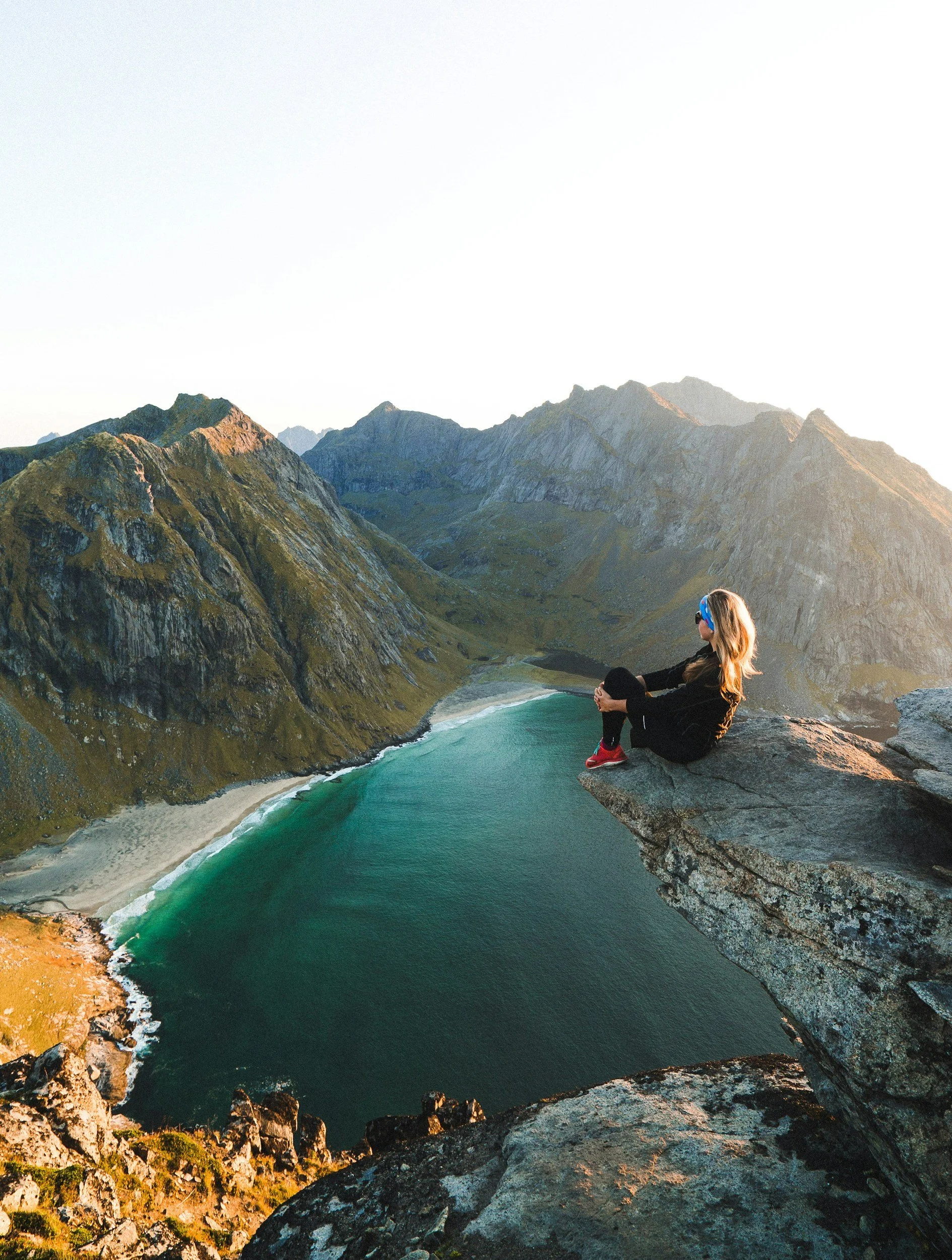
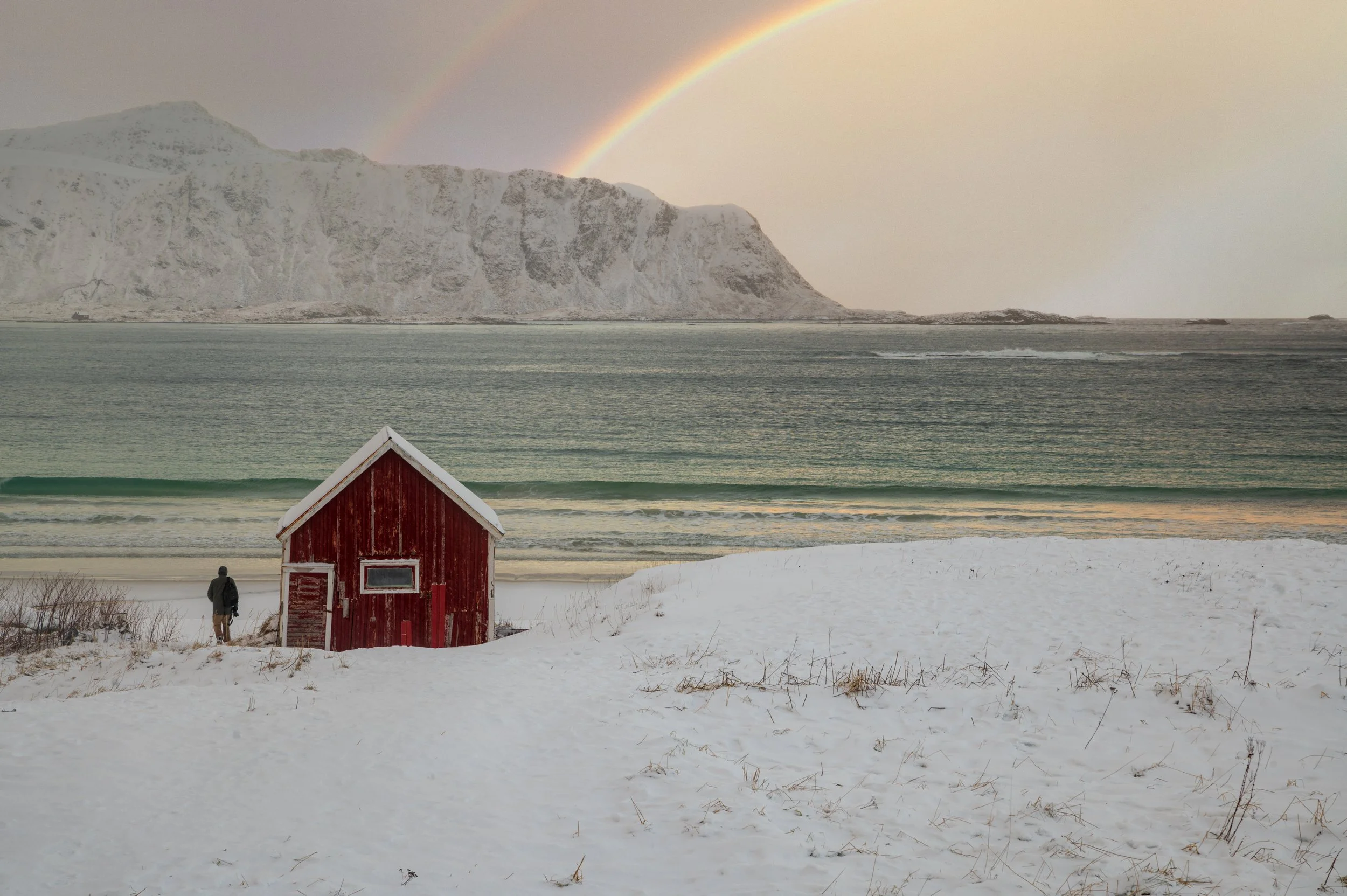
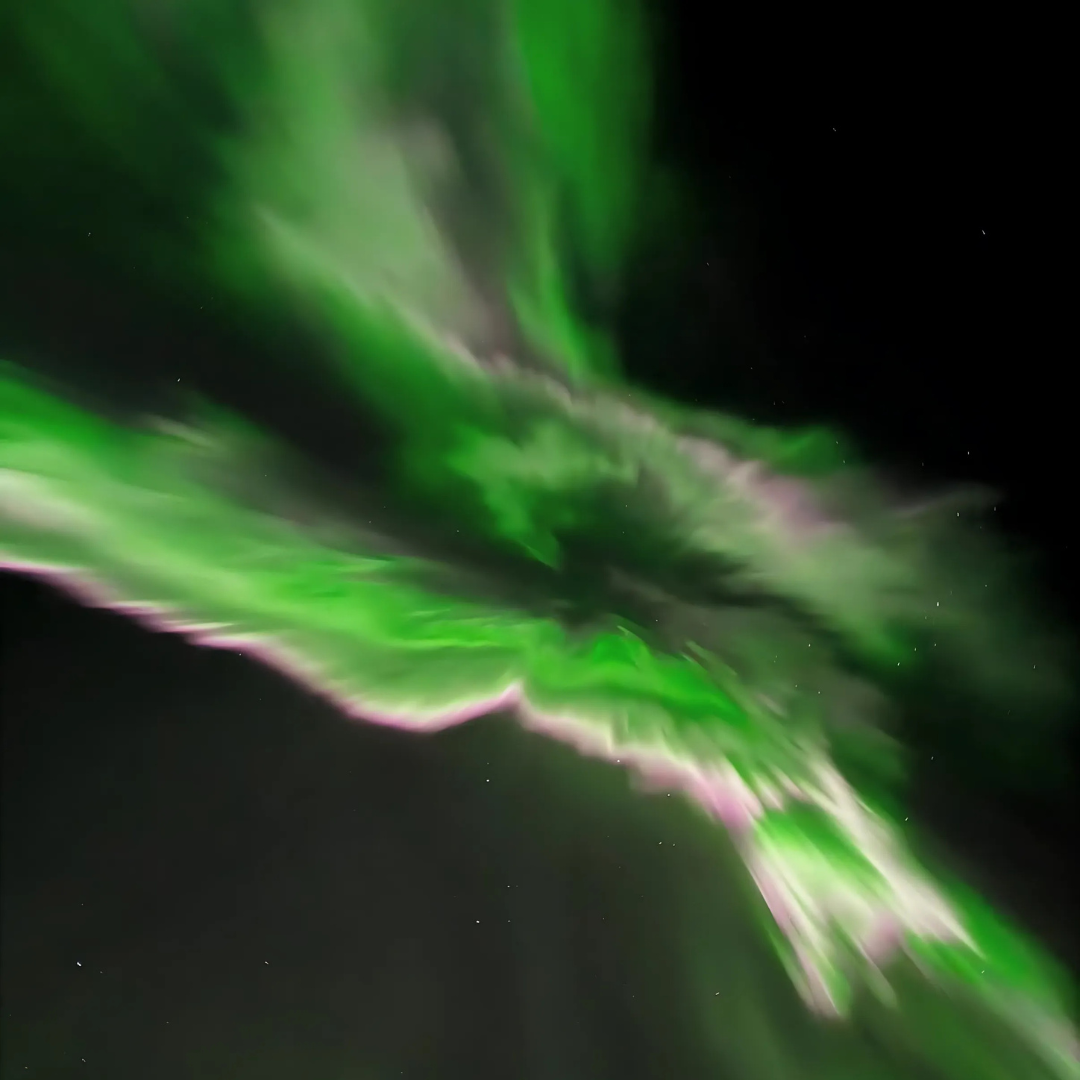
Lofoten is one of Norway’s most spectacular travel destinations. Towering peaks rise straight from the ocean, fishing villages line the coast, and the light changes dramatically with the seasons, from endless summer days to dark winter nights filled with Northern Lights.
Travelling in Lofoten is as much about timing and conditions as it is about places. Weather, light, and season shape every experience, whether you’re hiking above the sea, exploring small coastal villages, or standing quietly on a beach watching the sky change. Knowing when to visit, what to prioritise, and how to move around can make a big difference.
On this page you’ll find travel guides, local stories, and practical tips to help you plan your visit and make the most of your time in Lofoten. From seasonal advice and Northern Lights planning to food, hiking, and everyday travel questions, this guide brings everything together in one place.

Lofoten – Frequently Asked Questions
-
There are several ways to reach Lofoten. The fastest route is by plane: you can fly into Svolvær (SVJ) or Leknes (LKN) with connections through Bodø or Oslo. Another common option is to fly to Evenes Airport (EVE) near Harstad, rent a car, and drive about 3–4 hours along the scenic E10 highway into Lofoten. This gives you flexibility and stunning views along the way. If you prefer the sea, ferries and express boats also connect Bodø with Moskenes, Svolvær and other ports.
-
Public buses do exist, but they are limited and often don’t match the schedule of hikes, tours, or day trips. Renting a car (or camper van) gives you the freedom to stop at viewpoints, explore beaches, and reach trailheads at your own pace. If you stay mainly in Svolvær or Henningsvær, you can manage without, but to fully experience Lofoten a car is highly recommended.
-
A quick trip can be done in 2–3 days, but most visitors recommend at least 4–5 days to see both the eastern side (Svolvær, Henningsvær) and the western classics (Reine, Hamnøy, Ramberg). A full week allows you to combine sightseeing with hikes, fishing villages, and time to simply slow down and enjoy the atmosphere.
-
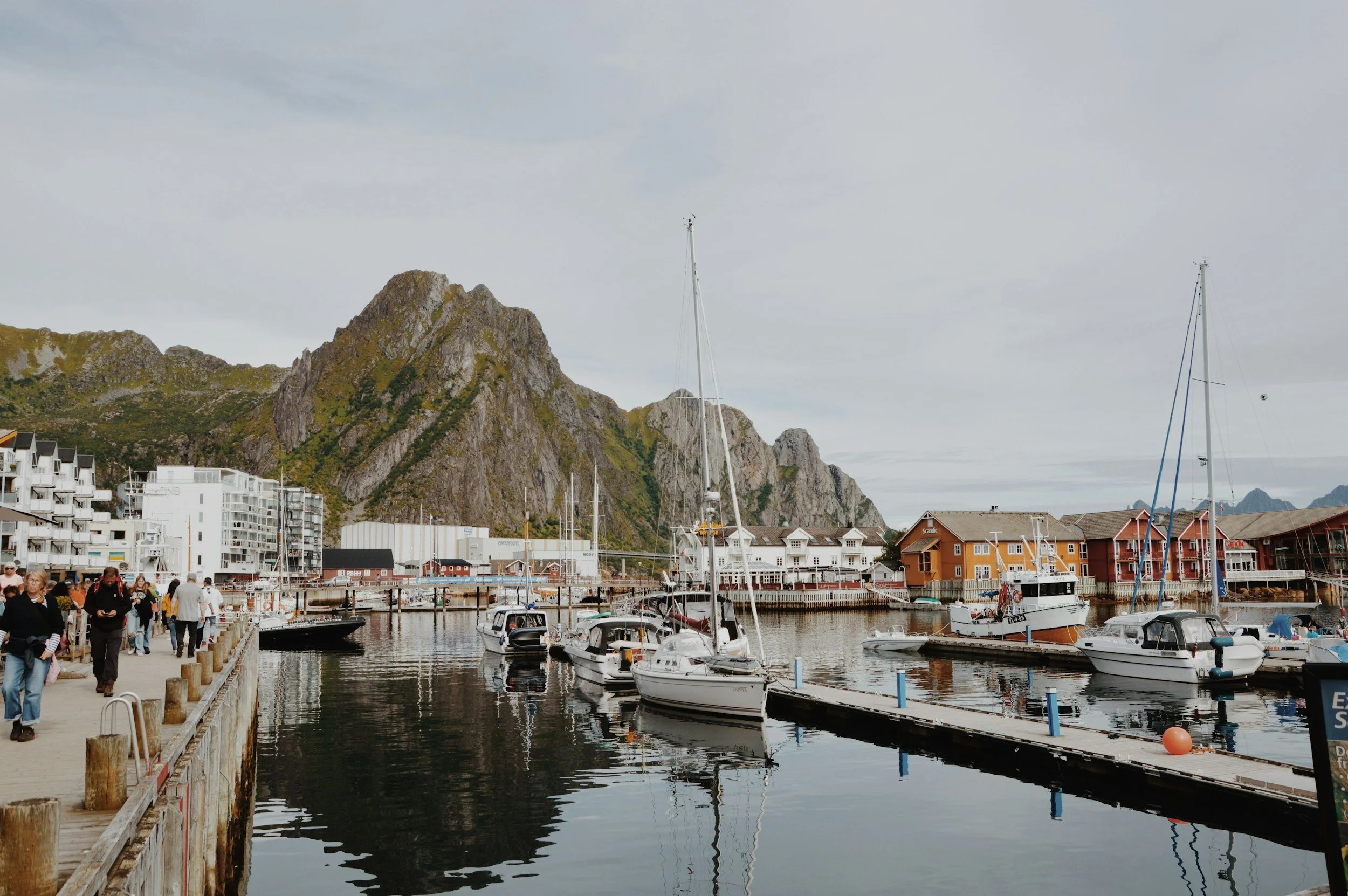
If it’s your first visit, Svolvær makes a perfect base – it’s the main town with restaurants, tours, and easy access to both eastern and western Lofoten. Staying in a traditional rorbu cabin by the sea gives you a unique sense of place, combining history with comfort. From here, you can explore villages like Henningsvær, drive west to Reine, or join guided trips right from the harbor.
-
Summer (June–August): Midnight sun, hiking, kayaking, and vibrant life in the fishing villages.
Autumn (September–October): Colorful landscapes, fewer crowds, and the first Northern Lights.
Winter (November–March): Snowy peaks, polar nights, and the best chances to see the aurora.
Spring (April–May): Longer days, great for photography, and often more stable weather.
👉 For a detailed breakdown, read our full guide: Best Time to Visit Lofoten.
-
Absolutely – Lofoten is one of the most spectacular regions in Norway, known for its dramatic peaks, fishing villages, white-sand beaches and Northern Lights. What makes it special is the contrast: in summer you get endless daylight and world-class hiking, while in winter you can chase the aurora and experience Arctic life.
Many travelers combine Lofoten with Tromsø or Bodø, but those who spend more time here often say it was the highlight of their trip to Norway. Whether you come for nature, culture, or food, Lofoten offers something unique in every season.
👉 Start planning with our guides:
Best Time to See the Northern Lights in Lofoten
Discover the best time to see the Northern Lights in Lofoten. Learn when the aurora season starts, which months are best, the ideal hours at night, and how to prepare for an unforgettable Arctic experience.