Where to Stay in Lofoten: Best Areas & Accommodation Guide
Choosing where to stay in Lofoten can shape your entire experience. The islands stretch more than 150 kilometres from east to west, and each area offers a different atmosphere, from lively harbour towns with restaurants and year-round services to quiet fishing villages surrounded by dramatic peaks. Whether you’re visiting for hiking, photography, Northern Lights, or a scenic road trip, your base will influence how much time you spend driving, what kind of landscape surrounds you, and how easily you can access activities and transport.
Svolvær – Best Base for First-Time Visitors
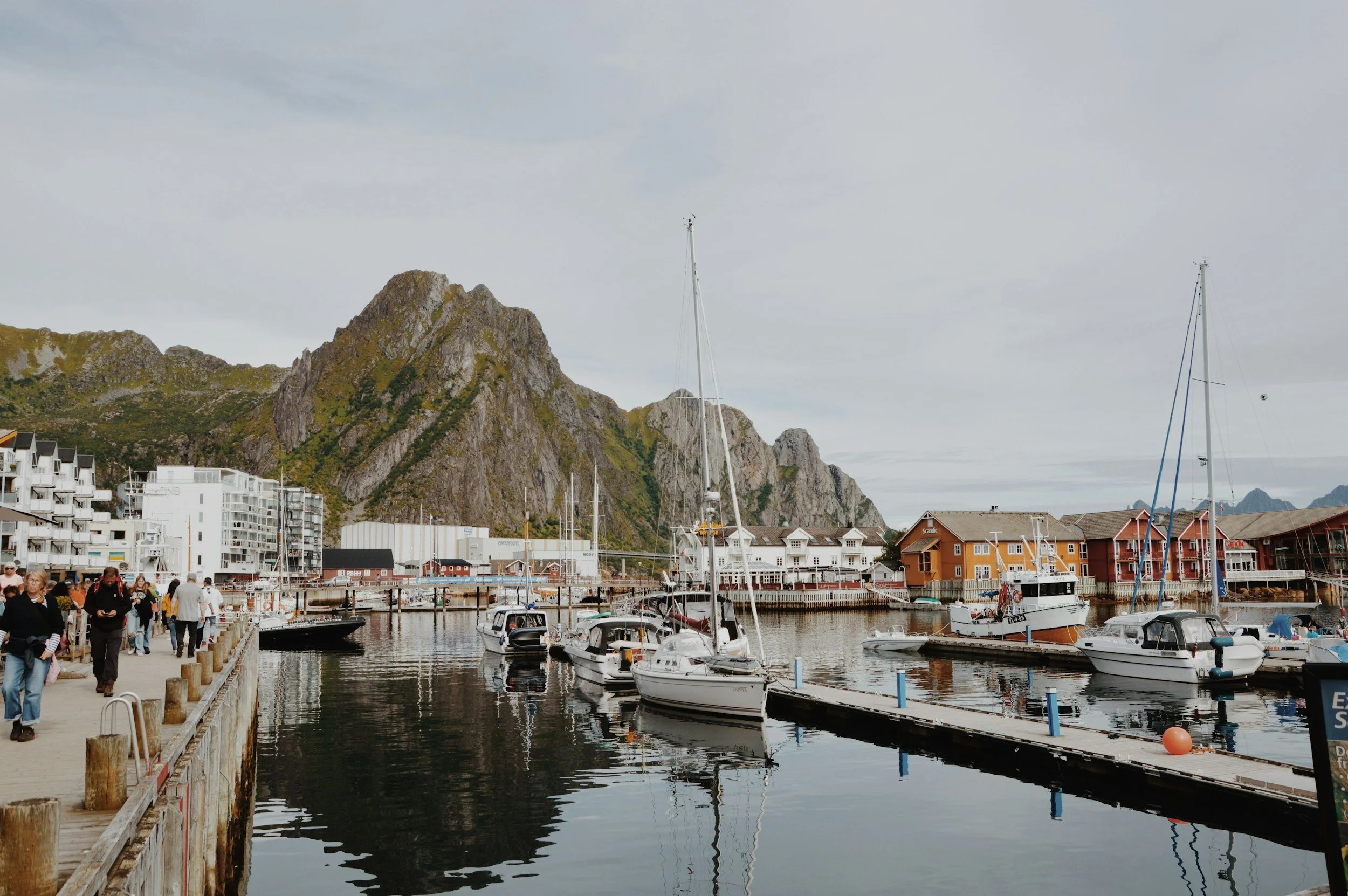
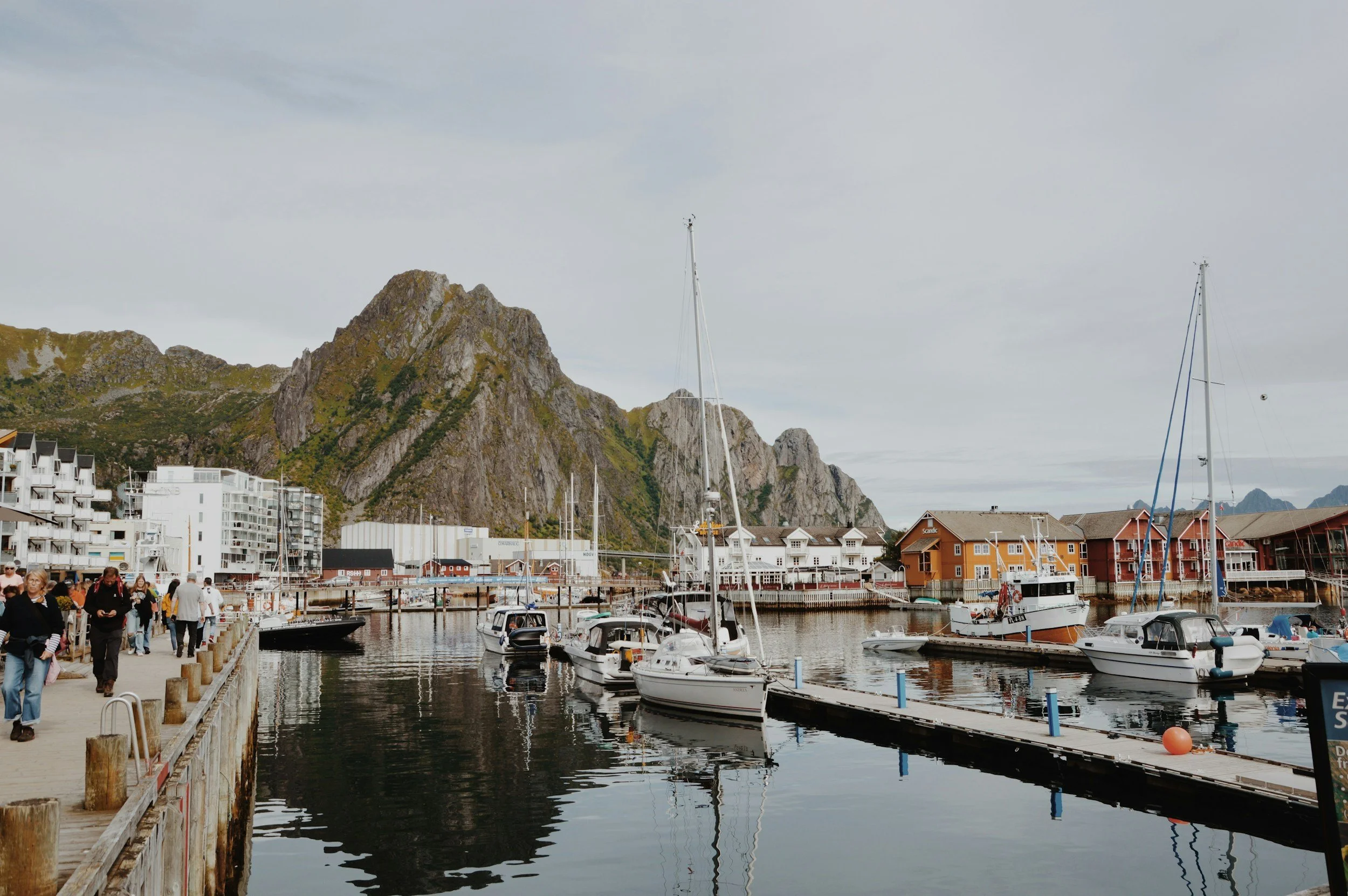
Svolvær is the natural starting point for many travellers. With the airport nearby, a broad selection of restaurants, guided activities, cafés, and year-round services, it offers a level of infrastructure that few other places in Lofoten can match. While some towns may have a larger permanent population, Svolvær functions more like a small coastal city, compact, walkable, and lively, with a real mix of dining, culture, and harbour life.
For visitors seeking variety in the evenings, ease of logistics, and access to tours and excursions, this makes a noticeable difference. You can spend the day hiking or out on the water, and still return to a choice of good restaurants, wine bars, and local experiences within walking distance.
You’ll find several good hotels in and around the town centre, ranging from modern stays to more traditional waterfront properties. If you’re looking for something that combines central access with a stronger sense of fishing heritage, staying in a historic rorbu environment can offer a unique atmosphere that differs from a standard hotel.
Just outside the town centre, on the small island of Svinøya, traditional fishermen’s cabins sit right by the harbour. This area preserves much of the authentic coastal character you’ll find further west in Lofoten, wooden docks, stockfish racks, and quiet sea views, while still being within walking distance of Svolvær’s restaurants and activities. For travellers who want a balance between accessibility and classic Lofoten character, this type of stay can be an appealing middle ground
Reine & Hamnøy – Most Iconic Scenery
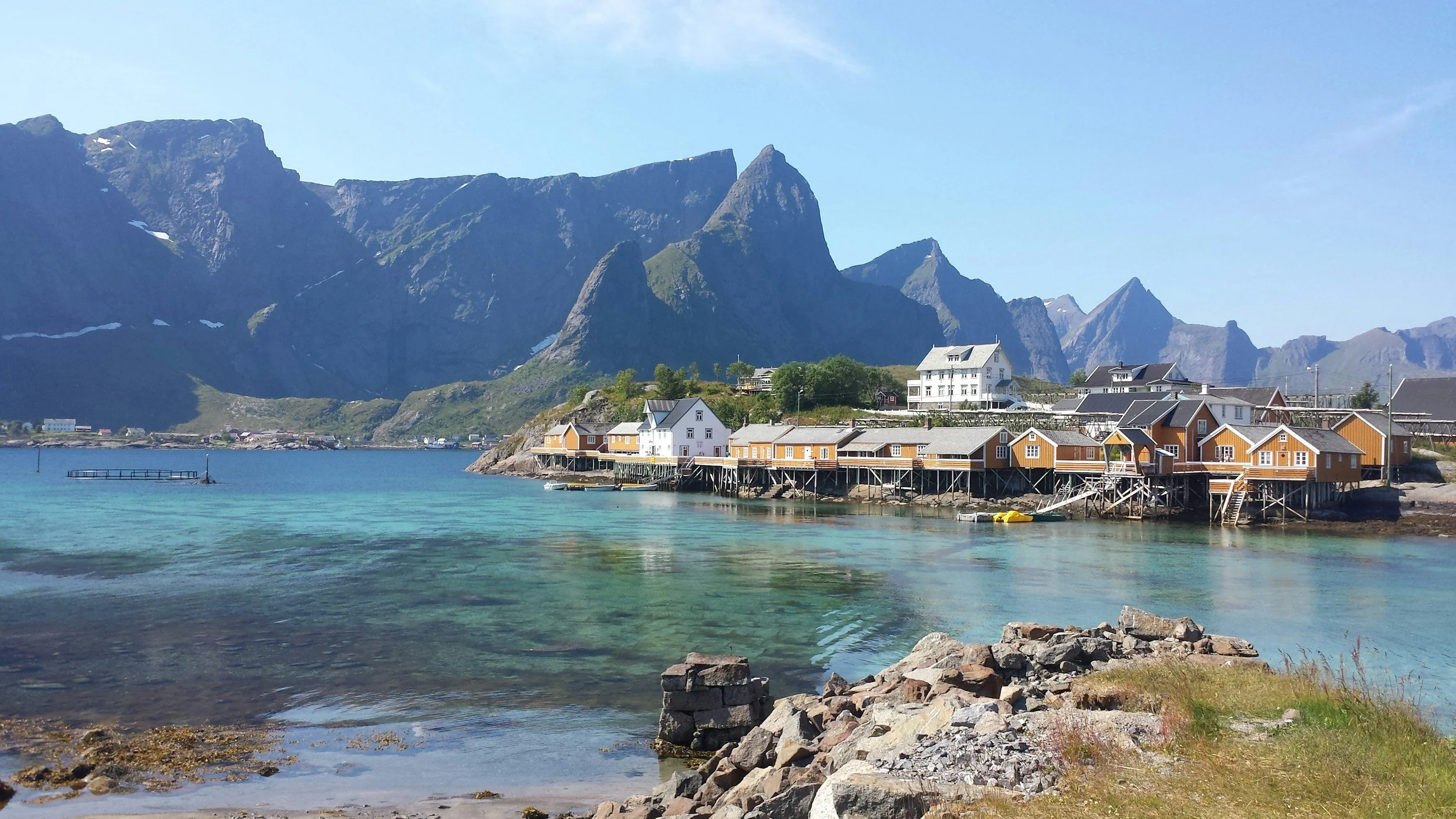
If you’ve seen photos of Lofoten before, chances are they were taken in or around Reine and Hamnøy. This is where sharp peaks rise directly from the fjord, red cabins line the water, and the landscape feels almost unreal. For photographers and visitors who want to wake up surrounded by dramatic scenery, this part of Lofoten delivers some of the most iconic views in Norway.
Staying here places you closer to famous hikes such as Reinebringen and gives you immediate access to some of the most photographed beaches and viewpoints in the region. The atmosphere is quieter and more remote than in Svolvær, especially outside peak summer months.
However, it’s worth noting that western Lofoten has fewer restaurants, limited year-round services, and longer driving distances if you plan to explore both ends of the islands. During winter, weather can also make travel slower and less predictable.
For travelers who prioritize scenery above all else and don’t mind a more secluded base, Reine and Hamnøy can be an unforgettable choice. But if you prefer a wider selection of dining options and activities within walking distance, you may find the eastern part of Lofoten more practical as a base.
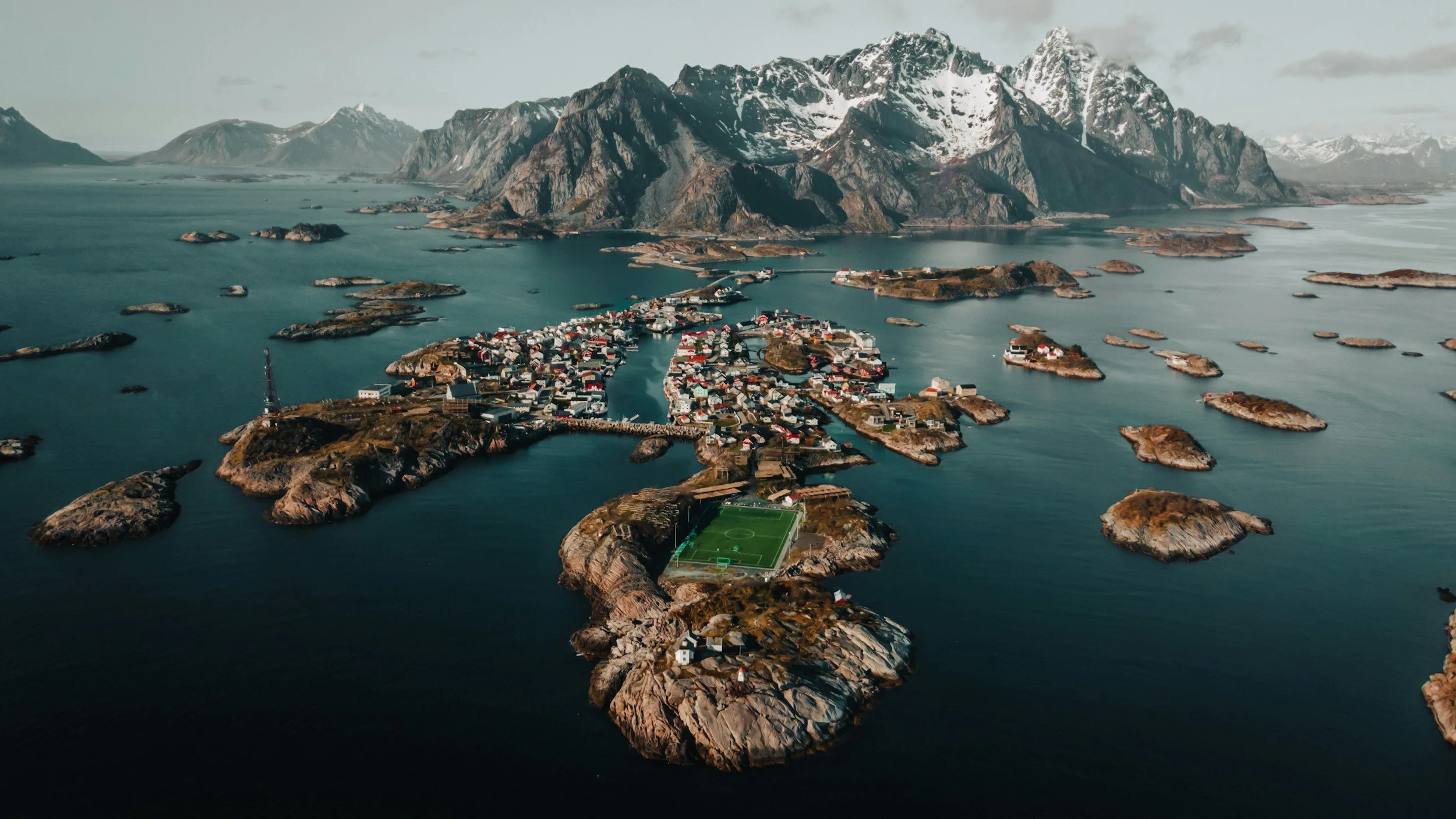
Henningsvær – Iconic, Creative & Full of Summer Energy
Henningsvær is often described as one of the most charming fishing villages in Lofoten, but it’s also one of the most vibrant. Spread across small islands connected by bridges, the village blends traditional harbour life with cafés, art galleries, climbing culture, and a noticeably younger crowd, especially in summer.
While the scenery is undeniably iconic, dramatic peaks rising straight behind the harbour, what makes Henningsvær stand out is the atmosphere. During the warmer months, the village feels alive. Travellers in their 20s and 30s fill the cafés, surfers and climbers pass through, and places like Trevarefabrikken host concerts and events that give the village a creative, almost festival-like energy.
It’s smaller and more intimate than Svolvær, but culturally dynamic. There’s a strong artistic presence, boutique shops, contemporary galleries like KaviarFactory, and restaurants that range from casual seafood to modern Nordic cuisine.
In terms of logistics, Henningsvær is still centrally located in eastern Lofoten, making it a good compromise between scenery and accessibility. However, accommodation options are more limited than in Svolvær, and services can be more seasonal.
For travellers who want dramatic surroundings combined with a social, youthful atmosphere and a distinctive creative scene, Henningsvær offers something unique in Lofoten.
Where Should You Stay in Lofoten? Choose Based on Your Travel Style
Every part of Lofoten offers something different. The right base depends less on what looks best in photos and more on how you want your days to feel.
If this is your first time in Lofoten, choose Svolvær or nearby. You’ll have easy access to tours, restaurants, hiking trails, and transport connections. It makes planning simpler and gives you flexibility if the weather changes.
If you prioritise dramatic scenery above everything else, stay in Reine, Hamnøy, or further west. You’ll wake up surrounded by some of the most iconic landscapes in Norway. Just be prepared for longer driving distances and fewer year-round services.
If you want atmosphere, cafés, and a youthful energy, Henningsvær offers a unique mix of fishing heritage and creative culture. It’s scenic, social, and especially lively in summer.
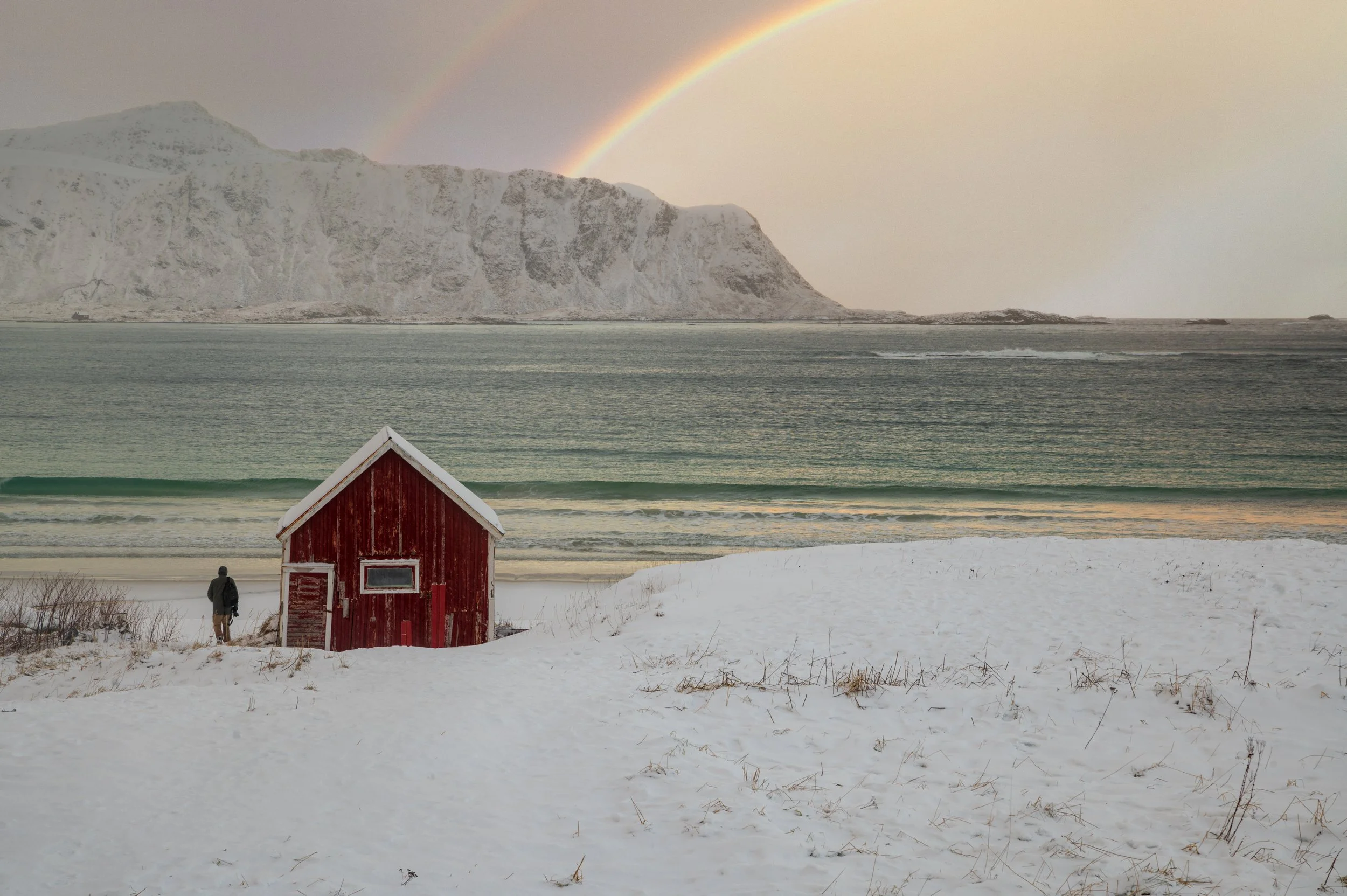
If you’re visiting in winter for the Northern Lights, eastern Lofoten often gives you more flexibility. Shorter distances between accommodation, restaurants, and activities can make a difference during darker months when road conditions vary.
If you’re planning a short stay (2–4 days). Staying centrally in eastern Lofoten usually makes the most sense. You can still drive west for a day trip, but you won’t spend most of your time in the car.
Our Honest Recommendation
If we had to choose one base for most travellers, we would lean towards eastern Lofoten, not because it’s more beautiful, but because it offers more flexibility.
We personally value having options. The freedom to decide in the afternoon whether to go hiking, book a RIB safari, try a new restaurant, visit a gallery, or simply take a short walk to the harbour without needing to plan everything around long drives. That kind of flexibility makes a trip feel more relaxed.
From a central base in eastern Lofoten, you can still drive west for a full day of exploring Reine, Hamnøy, and the most iconic viewpoints. But you’re not committed to staying in the most remote part of the islands if the weather shifts or your plans change.
For us, the ideal stay combines atmosphere with accessibility, a place where you feel the fishing heritage and coastal character, but still have restaurants, activities, and transport within easy reach. Lofoten is dramatic everywhere. The difference is how easy it is to move, choose, and adapt once you’re there.
In the end, there’s no wrong answer. It simply depends on what kind of experience you want to build.
Practical Tips Before You Book
-
Many accommodation providers in Lofoten (and elsewhere) pay commission to online travel agencies. Because of this, it’s often worth checking the property’s own website before booking. Some offer direct booking benefits such as better rates, flexible cancellation, added services, or small extras included in the stay.
-
July and early August are by far the busiest months in Lofoten. Accommodation across the islands fills up quickly, especially smaller, character-driven places such as traditional rorbu cabins. In popular villages like Henningsvær, Reine, and parts of Svolvær, some of the most sought-after categories can be fully booked many months in advance.
If you’re traveling in peak summer and have a specific type of stay in mind, for example a waterfront fisherman’s cabin rather than a standard hotel room, it’s wise to secure your booking as early as possible. The most unique units often sell out first.
-
Weather can affect travel plans in Lofoten, particularly between November and March. Storms, wind and changing road conditions are part of the Arctic experience. Choosing accommodation with reasonable cancellation terms and booking activities that allow flexible rescheduling can give you peace of mind if conditions shift. The weather here is often dramatic but unpredictable, so a bit of flexibility can make your trip feel far less stressful.
-
Lofoten stretches further than many first-time visitors expect. What looks close on a map can easily mean one to two hours of driving, especially if you are moving between eastern and western parts of the islands. Choosing a central base can reduce time on the road and make your days more relaxed.
In winter, driving requires extra attention. Snow, wind, narrow roads, and rapidly changing weather conditions can make certain stretches challenging, particularly for visitors who are not used to driving on snow and ice. While many travelers manage just fine with proper caution, winter driving in Arctic conditions is not the same as driving in mild climates.
If you are unsure or uncomfortable with winter driving, consider booking guided road trips or organised tours instead. Local guides are used to the conditions and can adjust plans based on the weather. Public buses also connect the main towns and can be a good alternative if you prefer not to rent a car.